
Project and Milestone Management
Structure packages, deliverables, dates, dependencies, and responsibilities.
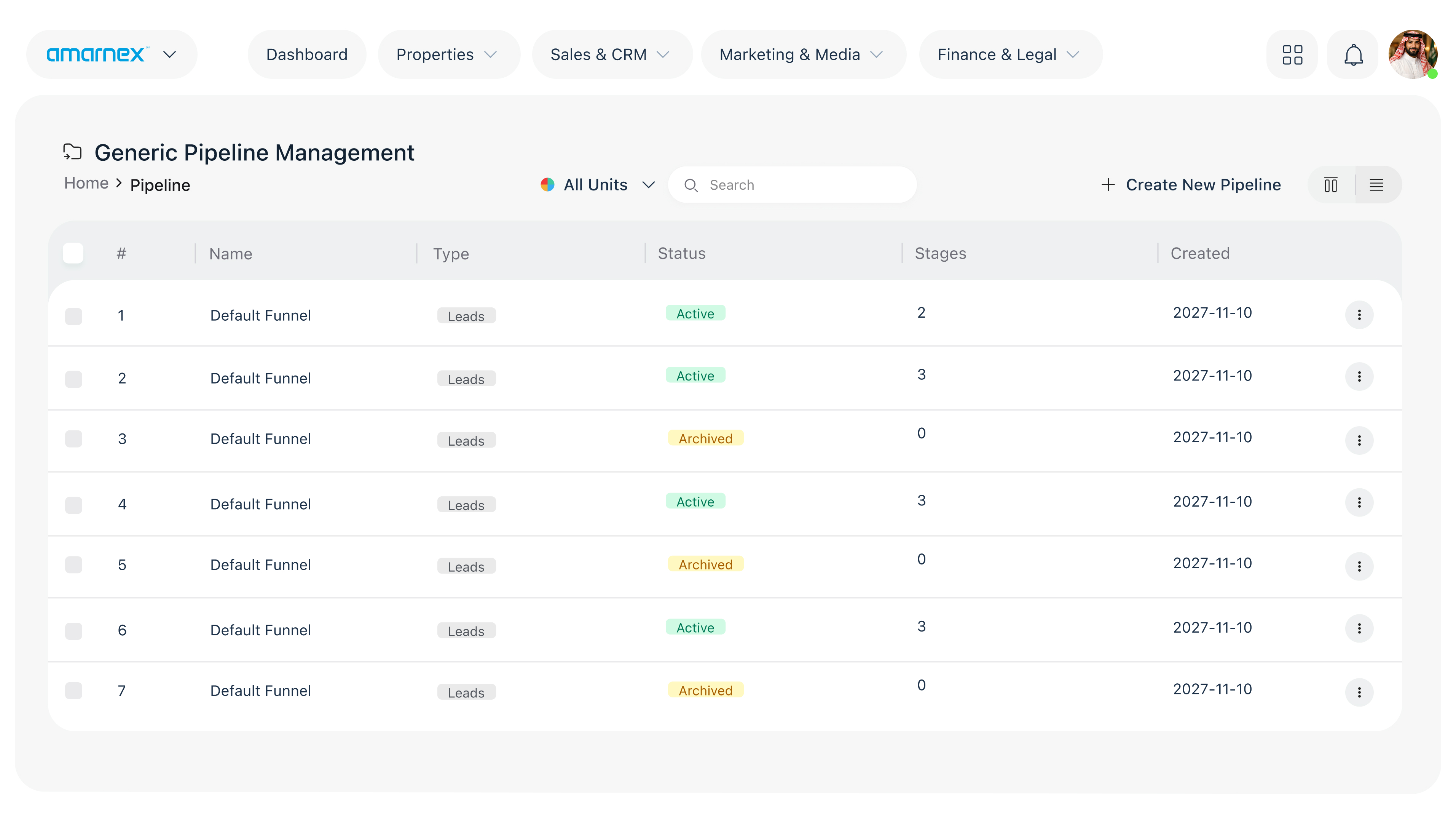
Consultant engineering companies can manage assigned reviews, inspections, documents, and milestone evidence while keeping methods and working files private, with authorized progress shared across developers, contractors, and project teams.
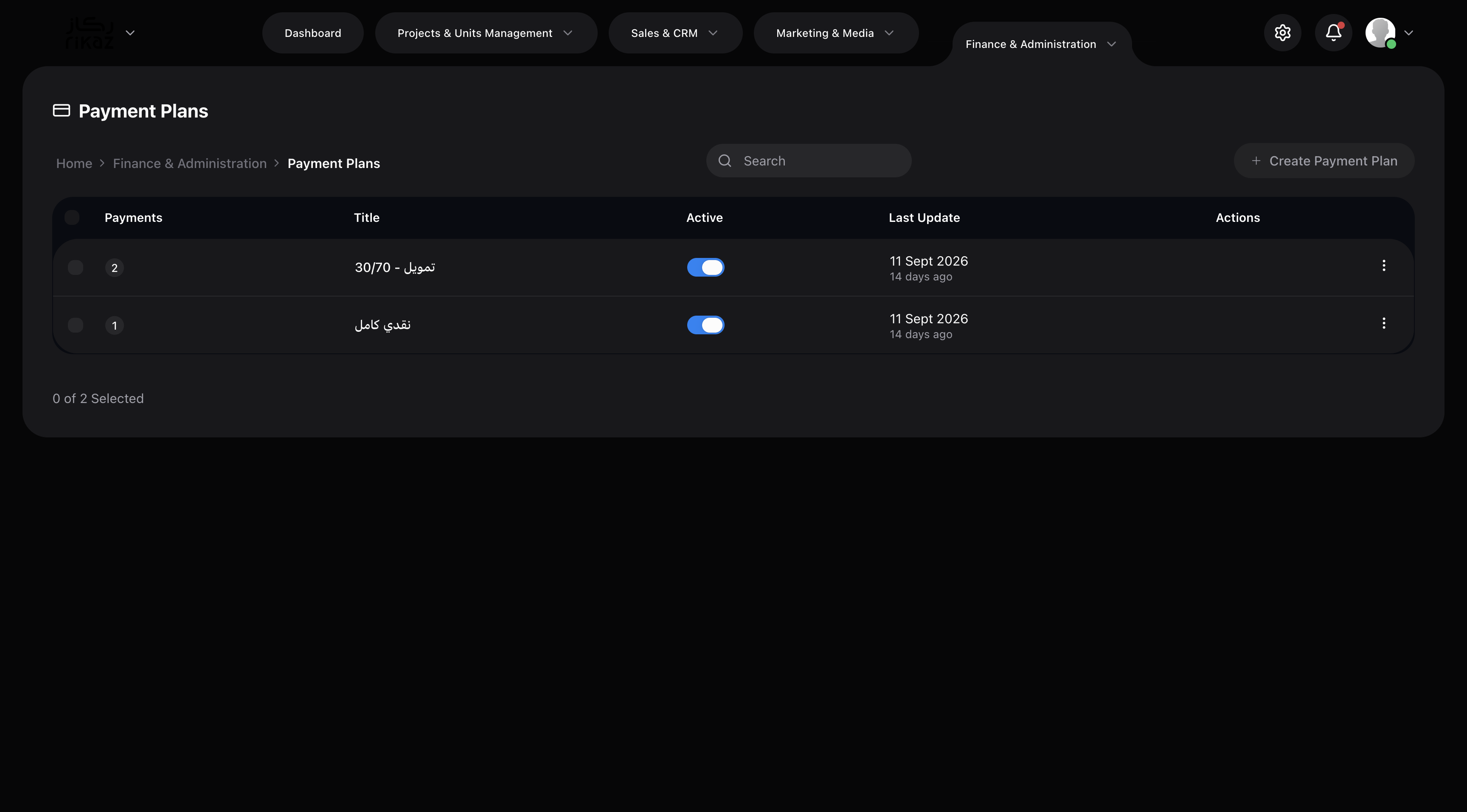
The consultant retains private teams, methodologies, credentials, calculations, internal reviews, and unrelated projects. A shared pipeline or service workspace is created for each developer project, package, unit group, or milestone set.
The developer shares the relevant project, package, milestone, and request information. The consultant returns approved progress, inspection status, comments, documents, risks, and completion evidence.
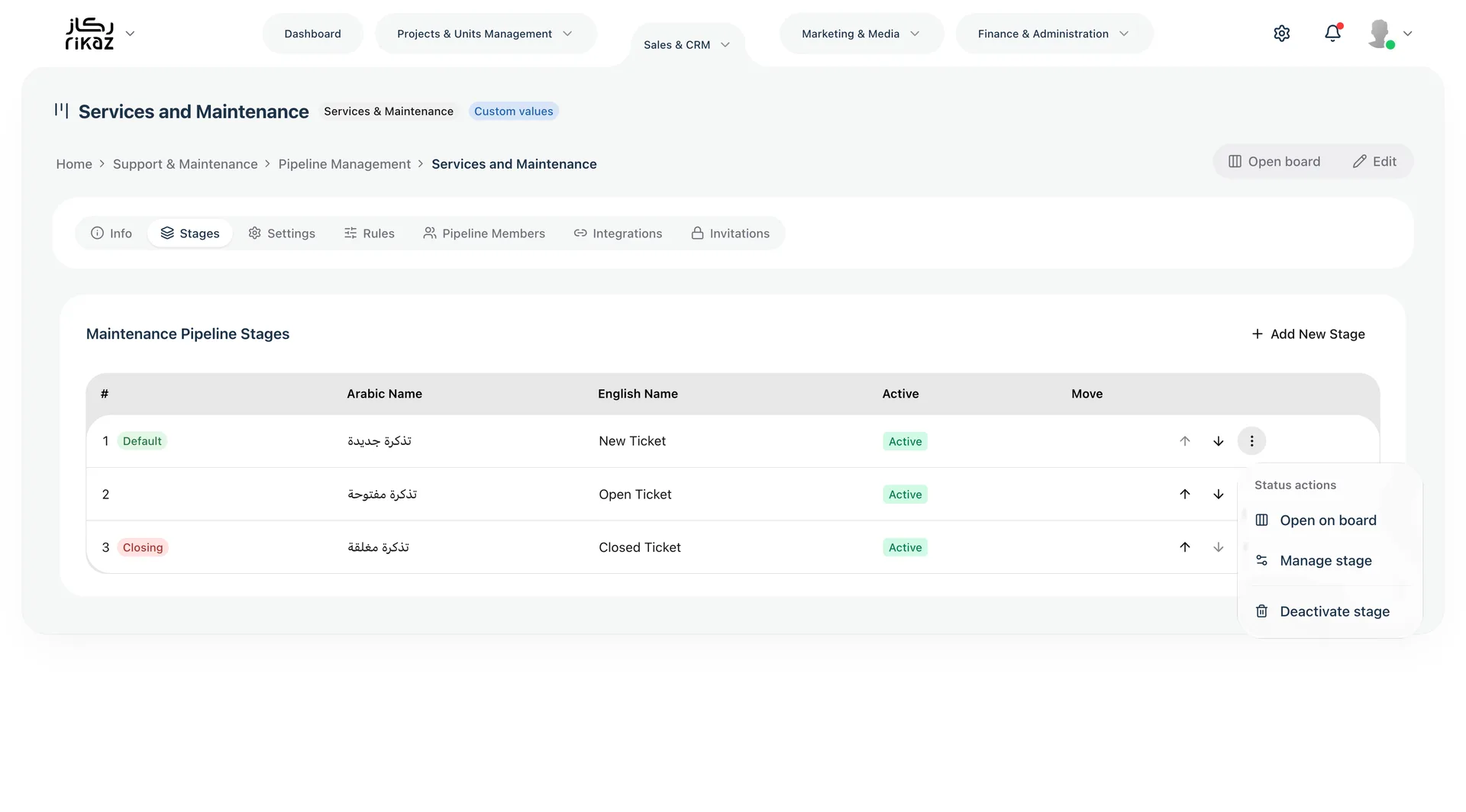
Each tenant keeps its users, credentials, communication channels, internal notes, and private records isolated. Internal working papers and other client projects stay private. Only approved records, stages, documents, tasks, and indicators are shared, with permissions, ownership, expiry, and audit history.
Structure packages, deliverables, dates, dependencies, and responsibilities.
Coordinate reviews, inspections, comments, changes, and sign-offs.
Control drawings, reports, evidence, versions, and approved exchanges.
Track information requests, defects, variations, blockers, and escalation.
Give the developer a controlled view of agreed technical service status.
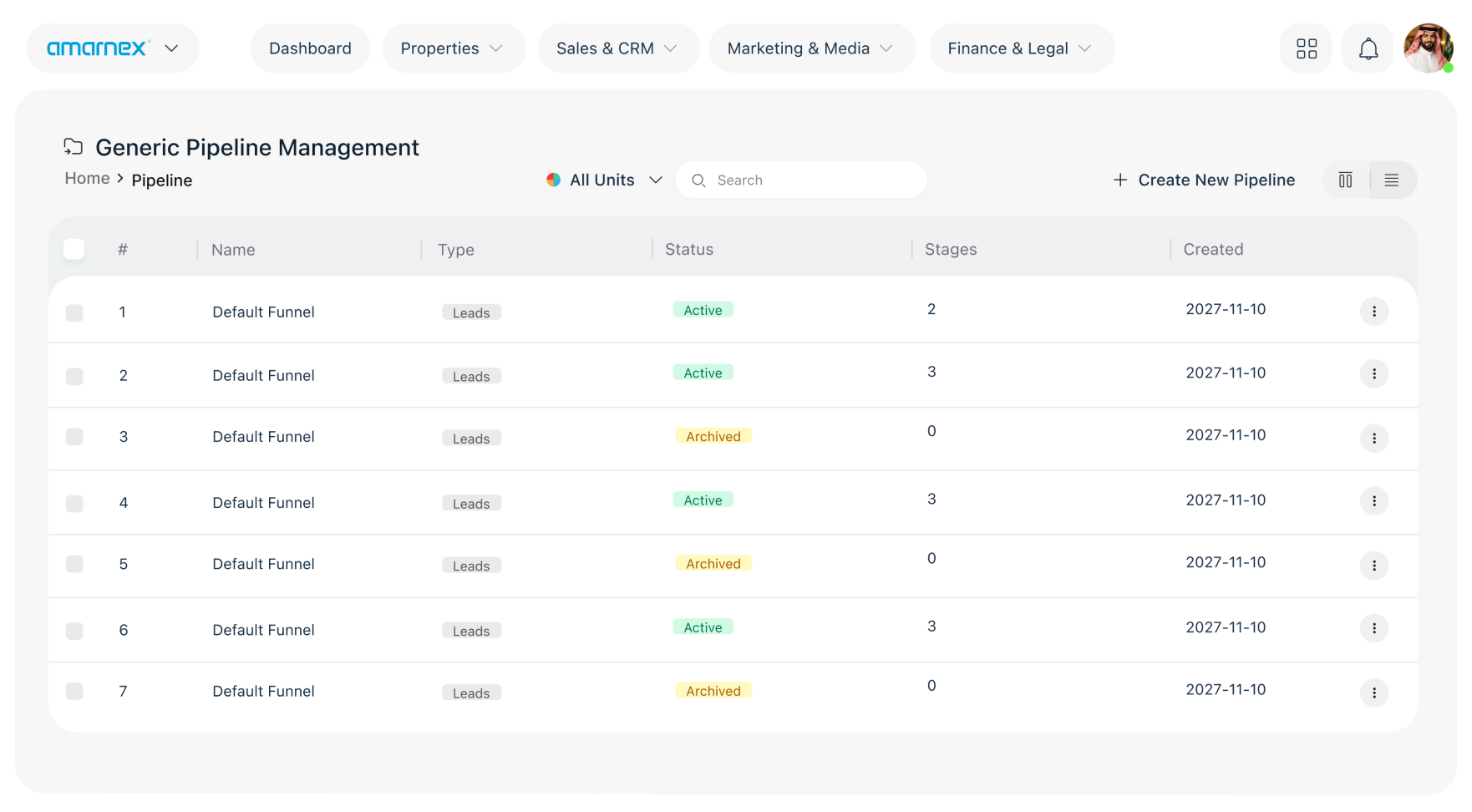
Milestone and dependency tracking
Document version and approval status
Developer commitments depend on technical progress, but consultants must protect professional working files. Controlled sharing connects decisions and milestones without collapsing tenant boundaries.

A developer creates a project service pipeline, the consultant receives approved documents and milestones, schedules reviews and inspections, returns status and evidence, raises risks early, and confirms completion for the developer’s handover process.
Start with the pipeline stages, information ownership, sharing rules, service levels, and success measures agreed by the participating tenants. Configure the required modules, train each team for its role, and review performance without exposing unrelated tenant data.
Design Your Tenant Workflow